
Helping Your Best Friend Thrive Through Their Golden Years
Watching your dog grow older can be bittersweet. The puppy who once raced through the yard may now prefer leisurely walks and afternoon naps, while the energetic companion who never seemed to tire now appreciates a little extra comfort after a day of adventure. Although aging brings changes, it doesn’t mean your dog’s best years are behind them.
With attentive care, thoughtful adjustments, and regular veterinary support, many senior dogs continue to live happy, active, and fulfilling lives for years after entering their golden years. Understanding what changes are normal, recognizing when something isn’t right, and adapting your dog’s daily routine can make a significant difference in both their health and quality of life.
Whether you’ve shared a lifetime with your dog or recently adopted an older companion, this guide will walk you through everything you need to know about caring for a senior dog.
Senior Dog Quick Facts
Small Breeds: Senior around 10–12 years
Medium Breeds: Senior around 8–10 years
Large Breeds: Senior around 7–8 years
Giant Breeds: Senior around 5–7 years
Most senior dogs benefit from veterinary checkups every 6 months
When Does a Dog Become a Senior?
One of the most common questions dog owners ask is, “When is my dog considered a senior?” The answer depends largely on breed and size rather than age alone.
Smaller breeds generally have longer lifespans and may not be considered seniors until they are around 10 to 12 years old. Medium-sized breeds often begin entering their senior years between 8 and 10 years of age, while large breeds typically become seniors around 7 to 8 years old. Giant breeds age more rapidly and may be considered seniors as early as 5 to 7 years.
These are general guidelines rather than strict rules. Genetics, nutrition, lifestyle, and overall health all influence how gracefully a dog ages. Some dogs remain playful and energetic well into their senior years, while others may begin slowing down earlier than expected.
Instead of focusing solely on birthdays, pay attention to gradual changes in your dog’s energy levels, mobility, and daily habits. These often provide a clearer picture of how they’re aging.
| Size | Examples | Senior Age | Average Lifespan |
|---|---|---|---|
| Small | Chihuahua, Yorkie | 10-12 | 13-16 Years |
| Medium | Beagle, Border Collie | 8-10 | 11-14 Years |
| Large | Labrador, Golden Retriever | 7-8 | 10-12 Years |
| Giant | Great Dane, Mastiff | 5-7 | 7-10 Years |
Understanding the Changes That Come With Age
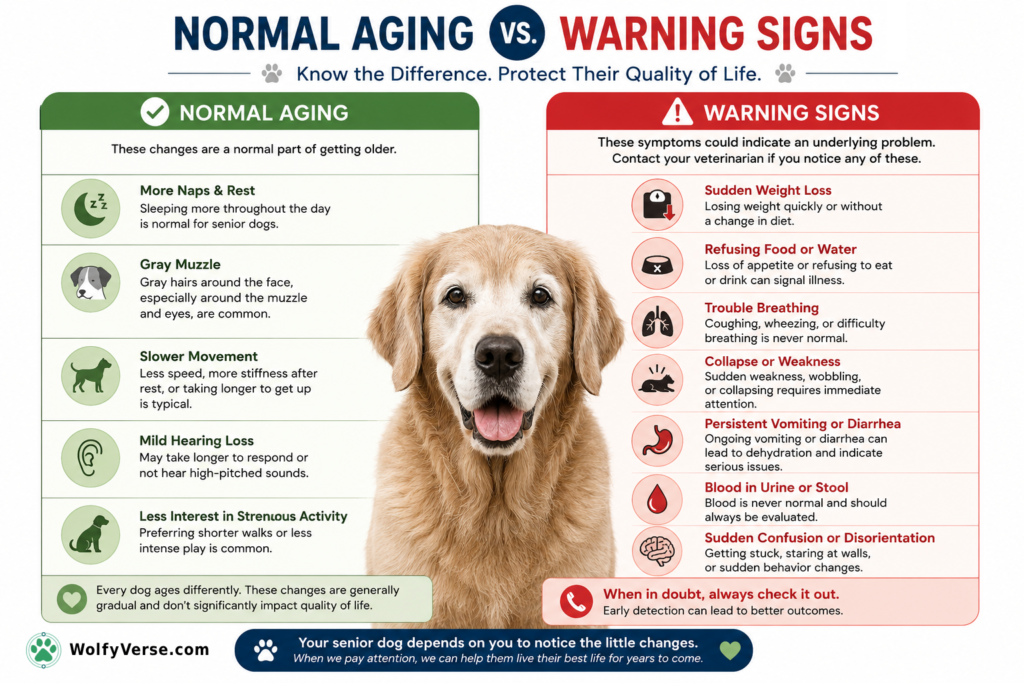
Growing older affects nearly every part of a dog’s body. Just as people experience changes over time, senior dogs naturally begin to slow down physically and mentally.
You may notice your dog sleeping more during the day, taking longer to recover after exercise, or hesitating before jumping onto the couch. Their muzzle may become noticeably gray, their hearing or vision may decline, and activities they once loved may require a little more encouragement.
Many older dogs also become less tolerant of extreme temperatures and may prefer softer bedding, shorter walks, or a more predictable daily routine.
While these gradual changes are considered a normal part of aging, sudden shifts in behavior, appetite, mobility, or personality should never be dismissed as “just getting old.” Unexpected changes can often signal underlying medical conditions that benefit from early diagnosis and treatment.
Nutrition: The Foundation of Healthy Aging
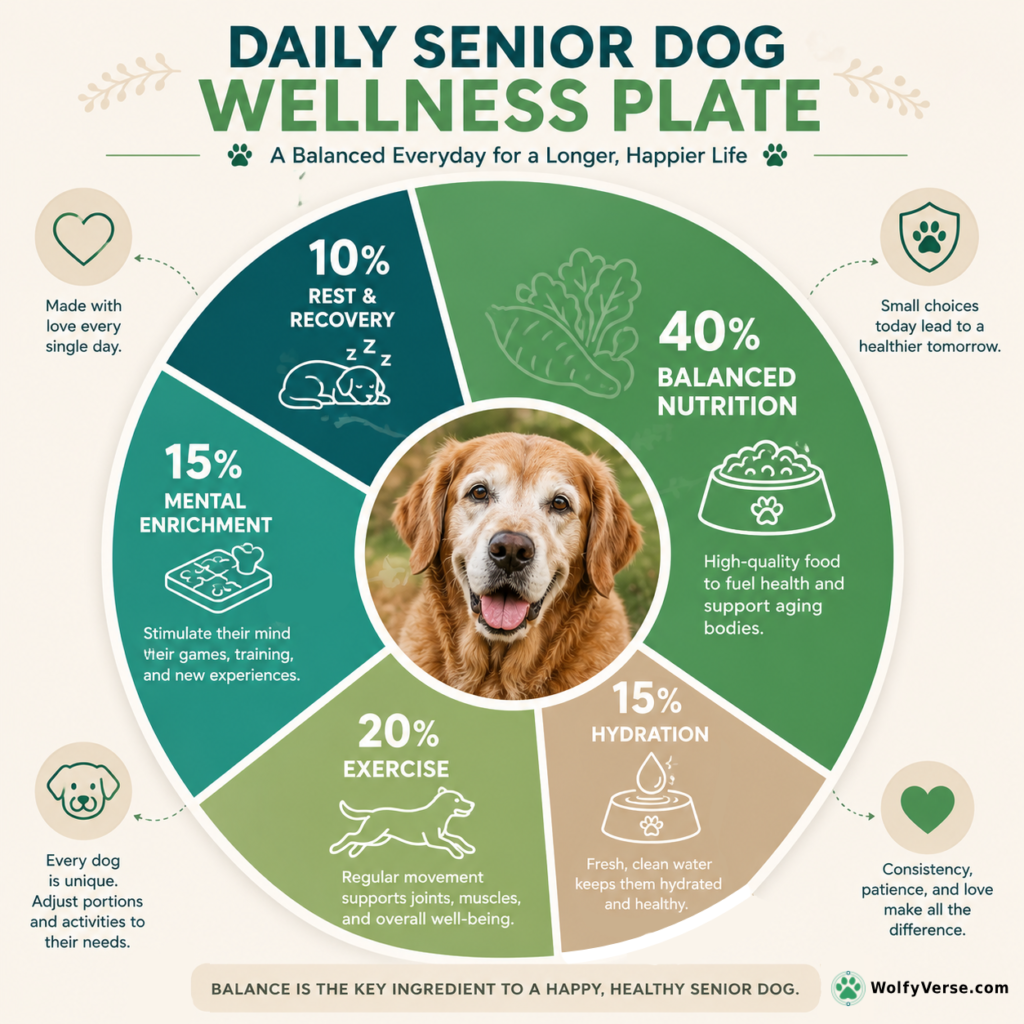
Good nutrition plays an even greater role during a dog’s senior years. As metabolism slows and activity levels change, their dietary needs evolve as well.
Rather than simply feeding less food, the goal should be providing balanced nutrition that supports muscle maintenance, healthy joints, organ function, and immune health. Many senior dogs benefit from diets that contain highly digestible protein, moderate fat levels, controlled calories, and increased levels of omega-3 fatty acids.
Maintaining muscle mass becomes especially important as dogs age. While older recommendations often suggested reducing protein, current veterinary nutrition research generally supports providing healthy senior dogs with adequate, high-quality protein to help preserve lean muscle.
Hydration is another frequently overlooked aspect of senior care. Older dogs may be more susceptible to dehydration, particularly if they have kidney disease or take certain medications. Always ensure fresh, clean water is readily available throughout the day.
Every dog has different nutritional needs, so work with your veterinarian to determine whether your dog would benefit from a senior-specific diet or a prescription food tailored to a medical condition.
Want to learn more?
Read our complete guide to Senior Dog Nutrition for detailed feeding recommendations by breed, weight, and activity level.
Maintaining a Healthy Weight
Weight management becomes increasingly important as dogs age. Even a few extra pounds can place significant stress on aging joints, reduce mobility, and contribute to chronic health conditions.
Conversely, unexplained weight loss should never be ignored. Losing weight despite eating normally can indicate illnesses such as kidney disease, diabetes, dental problems, or cancer.
Regularly monitoring your dog’s body condition is often more helpful than focusing solely on the number on the scale. You should be able to feel your dog’s ribs without excessive pressure while still seeing a defined waist when viewed from above.
Simple habits like measuring meals, limiting high-calorie treats, and adjusting food portions based on activity level can help your senior dog maintain an ideal weight throughout their later years.
Exercise Still Matters—It Just Looks Different
One of the biggest misconceptions about senior dogs is that they no longer need exercise. In reality, regular movement remains one of the most effective ways to preserve muscle strength, maintain joint flexibility, support cardiovascular health, and keep your dog’s mind engaged.
The key is adjusting activity to match your dog’s abilities.
Rather than long, strenuous hikes or intense games of fetch, many older dogs thrive with multiple shorter walks spread throughout the day. Swimming can provide excellent low-impact exercise for dogs with arthritis, while sniff walks allow your dog to explore at their own pace while providing valuable mental stimulation.
Pay attention to how your dog recovers after activity. If they appear unusually sore, reluctant to move the following day, or begin limping, it may be time to reduce intensity or speak with your veterinarian about pain management options.
Exercise should leave your dog feeling refreshed—not exhausted.
| Activity | Joint Friendly | Mental Stimulation | Best for |
|---|---|---|---|
| Walking | ★★★★★ | ★★★ | Every Dog |
| Swimming | ★★★★★ | ★★★★ | Arthritis |
| Hiking | ★★★ | ★★★★ | Active Seniors |
| Fetch | ★★ | ★★ | Healthy Seniors |
| Sniff Walk | ★★★★★ | ★★★★★ | Nearly Every Senior |
Interested in exercise?
Learn more about how often you should walk your senior dog:
Supporting Joint Health and Mobility
Joint stiffness is one of the most common challenges senior dogs face. Osteoarthritis gradually wears down cartilage, making movement increasingly uncomfortable if left unmanaged.
Early signs are often subtle. Your dog may hesitate before climbing stairs, struggle to stand after resting, or seem less enthusiastic about jumping into the car.
Fortunately, many strategies can improve mobility and comfort. Maintaining a healthy weight remains one of the most effective ways to reduce stress on joints. Regular low-impact exercise helps keep muscles strong enough to support aging limbs, while orthopedic beds provide cushioning during rest.
Some dogs may also benefit from joint-support supplements containing ingredients such as glucosamine, chondroitin, green-lipped mussel, or omega-3 fatty acids, although effectiveness varies between individuals. Veterinary guidance can help determine whether supplements or prescription medications are appropriate.
Pain should never be considered a normal part of aging. If your dog appears uncomfortable, there are often treatment options available that can dramatically improve their quality of life.
Did You Know?
Most Dogs Hide Pain Instinctively
If your dog is slowing down, it doesn’t necessarily mean they’re “just getting old.” They may be experiencing chronic joint pain.
Keeping Your Senior Dog Mentally Engaged
A healthy mind is just as important as a healthy body.
Although older dogs may spend more time resting, they still enjoy learning, exploring, and interacting with their families. Regular mental enrichment helps prevent boredom and may support cognitive function as dogs age.
Simple activities such as food puzzle toys, scent games, gentle obedience training, or exploring new walking routes provide valuable mental exercise without placing unnecessary strain on the body.
Even spending a few minutes each day practicing familiar commands or introducing easy new tricks can help strengthen the bond between you and your dog while keeping their brain active.
Recognizing Cognitive Decline
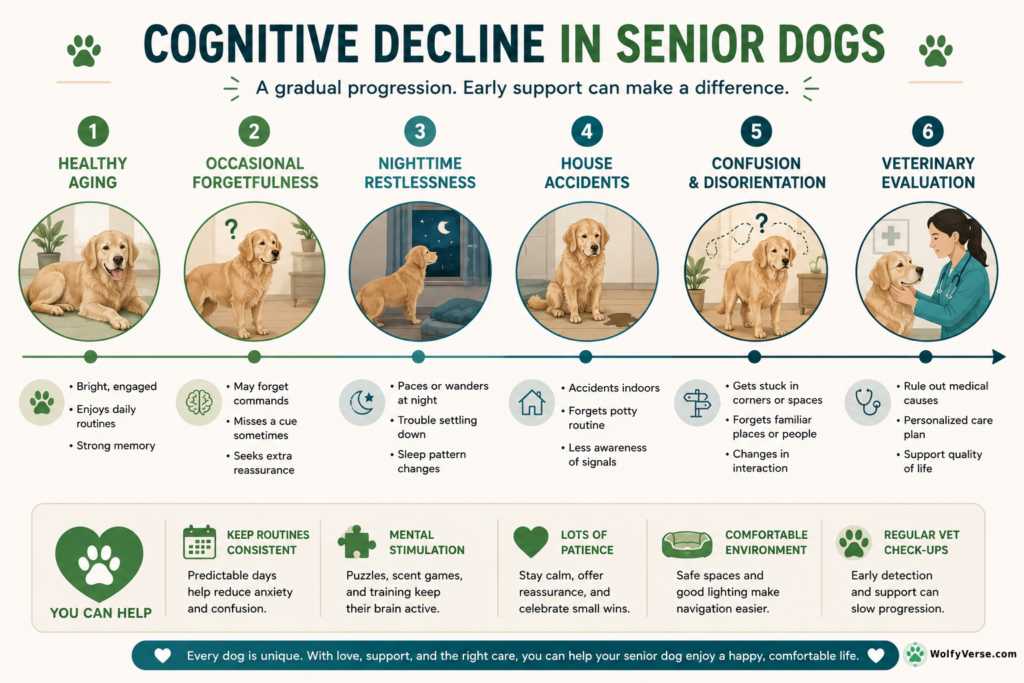
Some senior dogs develop Canine Cognitive Dysfunction, a condition similar in many ways to dementia in humans.
Affected dogs may appear confused, become restless at night, stare into corners, forget familiar routines, or seem less interested in interacting with family members. House-training accidents may also become more frequent despite years of reliable behavior.
Although cognitive decline cannot always be prevented, early diagnosis allows veterinarians to recommend dietary adjustments, medications, environmental modifications, and enrichment strategies that may slow progression and improve daily life.
Because many of these symptoms can also be caused by treatable medical conditions, any significant behavioral changes should be evaluated by your veterinarian.
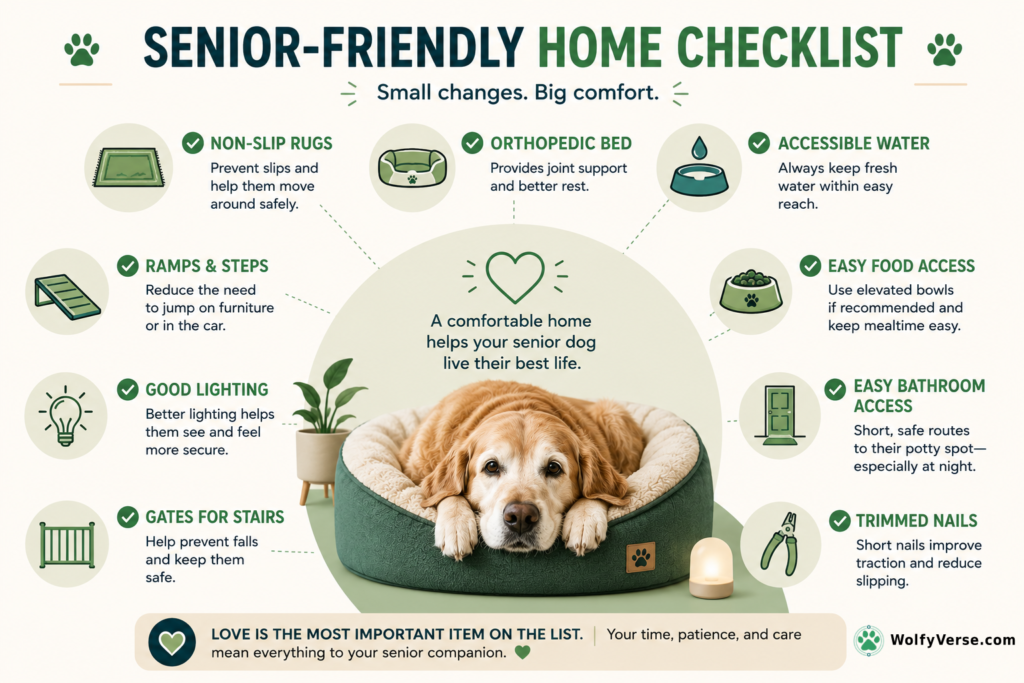
Creating a Comfortable Home Environment
As mobility changes, small adjustments around your home can make everyday life significantly easier.
Non-slip rugs help prevent slips on hardwood or tile floors, while ramps can reduce the need for painful jumping onto furniture or into vehicles. Orthopedic beds provide additional cushioning for aging joints, and keeping food, water, and favorite resting places easily accessible minimizes unnecessary strain.
If your dog has declining vision, maintaining a consistent furniture layout helps them navigate confidently. Older dogs also tend to appreciate warmer sleeping areas, especially during colder months.
These simple modifications often have a surprisingly positive impact on comfort and independence.
Preventive Veterinary Care Becomes Even More Important
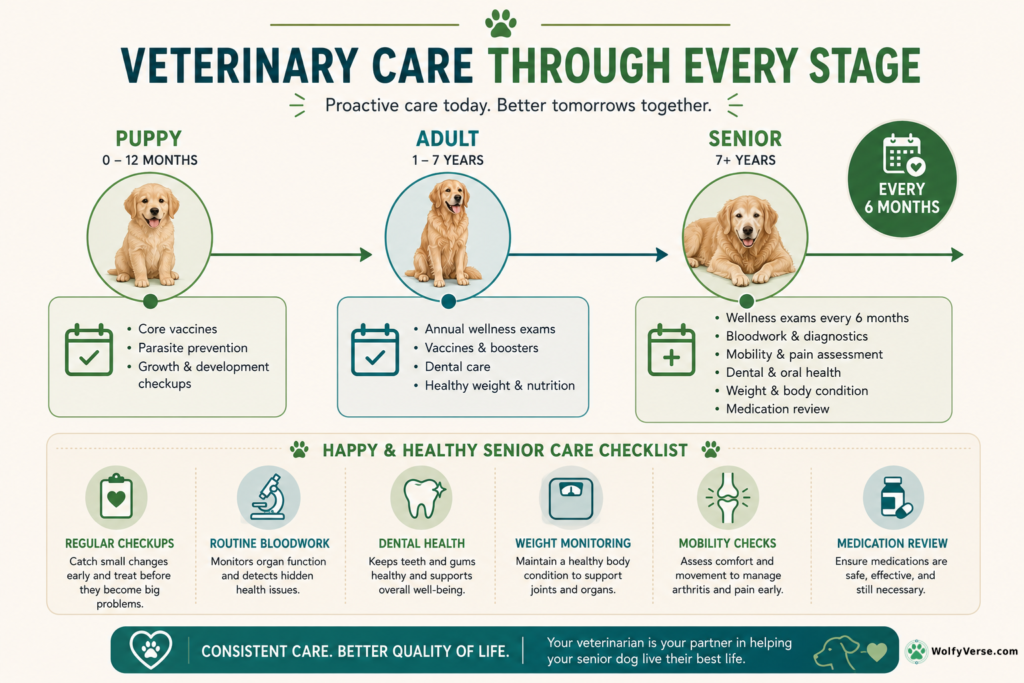
Senior dogs benefit from more frequent veterinary visits than younger adults because many age-related illnesses develop gradually before obvious symptoms appear.
Scheduling wellness examinations every six months allows your veterinarian to monitor changes over time, evaluate weight and mobility, assess dental health, perform blood work when appropriate, and detect developing conditions before they become more serious.
Early diagnosis often means more treatment options, lower long-term costs, and better outcomes for your dog.
Think of these visits as proactive maintenance rather than simply responding when something seems wrong.
Dental Health Should Never Be Overlooked
Dental disease affects the majority of older dogs and can significantly impact their overall health. Painful teeth may make eating difficult, while untreated infections can contribute to problems affecting other organs.
Bad breath, swollen gums, difficulty chewing, excessive drooling, or dropping food while eating all warrant veterinary evaluation.
Regular tooth brushing remains the gold standard for preventing dental disease, but veterinary dental cleanings, approved dental chews, and specially formulated diets can also play an important role in maintaining oral health.
A healthy mouth contributes to a healthier dog.
Want to know more about canine dental hygiene?
Learn more about brushing your dog’s teeth:
Watching for Common Senior Health Conditions
Although every dog ages differently, several health conditions become more common during the senior years. Arthritis, heart disease, kidney disease, diabetes, thyroid disorders, vision loss, hearing loss, and certain cancers are all seen more frequently in older dogs.
This doesn’t mean your dog will develop these conditions—it simply means regular monitoring becomes increasingly valuable.
Become familiar with your dog’s normal appetite, drinking habits, energy level, bathroom routine, breathing, and mobility. Small changes noticed early often provide the first clues that something requires medical attention.
| Condition | Common Symptoms | Treatable? |
|---|---|---|
| Arthritis | Stiffness | ✔️ Often Manageable |
| Kidney Disease | Drinking More | ✔️ Manageable |
| Heart Disease | Coughing | ✔️ Often manageable |
| Diabetes | Increased Thirst | ✔️ Manageable |
| Cognitive Dysfunction | Confusion | ✔️ Can often be managed |
When Should You Contact Your Veterinarian?
Some changes should never be attributed solely to old age.
Contact your veterinarian promptly if your senior dog experiences persistent vomiting, difficulty breathing, sudden weakness, seizures, blood in the urine or stool, refusal to eat, rapid weight loss, severe pain, or sudden confusion.
Trust your instincts. If your dog seems significantly different from their normal self, it’s always worth seeking professional advice.
Seek Veterinary Care Immediately If Your Dog Has:
Difficulty Breathing
Collapse
Seizures
Bloody Stool
Persistent Vomiting
Can’t Stand
Helping Your Dog Enjoy Their Golden Years
Growing older is inevitable, but suffering doesn’t have to be.
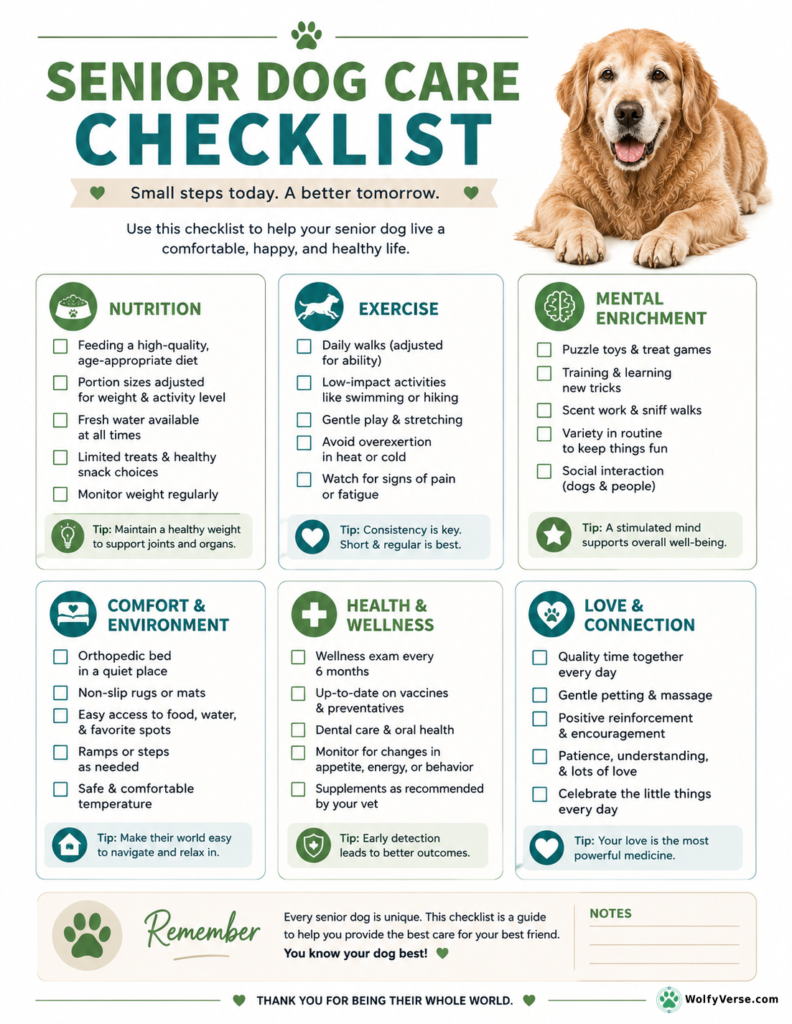
By providing balanced nutrition, regular exercise, routine veterinary care, mental enrichment, a comfortable home environment, and plenty of patience, you can help your dog continue enjoying life well into their senior years.
Perhaps the most important thing your senior dog needs isn’t a special diet or the newest supplement—it’s time. Time spent together on slow walks, quiet afternoons, gentle games, and shared moments strengthens the bond you’ve built over a lifetime.
Our dogs spend their lives giving us unconditional love. Caring for them through their golden years is one of the greatest ways we can return that gift.
Keep Exploring Senior Dog Care

Nutrition
Senior Dog Nutrition Guide


Mobility
Best Orthopedic Dog Beds

Health
How Often Should You Walk a Senior Dog?

Reviews
Best Joint Supplements for Senior Dogs

Buying Guides
Best Dog Ramps
Frequently Asked Questions
How often should a senior dog see the veterinarian?
Most healthy senior dogs should receive a wellness examination every six months. Dogs with chronic health conditions may require more frequent visits based on your veterinarian’s recommendations.
Is it normal for senior dogs to sleep more?
Yes. Older dogs typically require more rest than younger adults. However, excessive lethargy, difficulty waking, or a sudden decrease in activity should be evaluated by a veterinarian.
Should I switch my dog to senior dog food?
Not always. While many dogs benefit from senior-specific diets, the best food depends on your dog’s breed, weight, activity level, and any underlying medical conditions. Your veterinarian can help determine the most appropriate diet.
Can senior dogs still learn new things?
Absolutely. Senior dogs are capable of learning throughout their lives. Short training sessions, puzzle toys, scent work, and interactive games provide excellent mental stimulation.
What’s the best way to help a dog with arthritis?
Maintaining a healthy weight, providing low-impact exercise, using supportive bedding, making home modifications, and working with your veterinarian on pain management can greatly improve comfort and mobility.